Heat-Resistant Gloves for Bakeries, Kitchens and Autoclaves
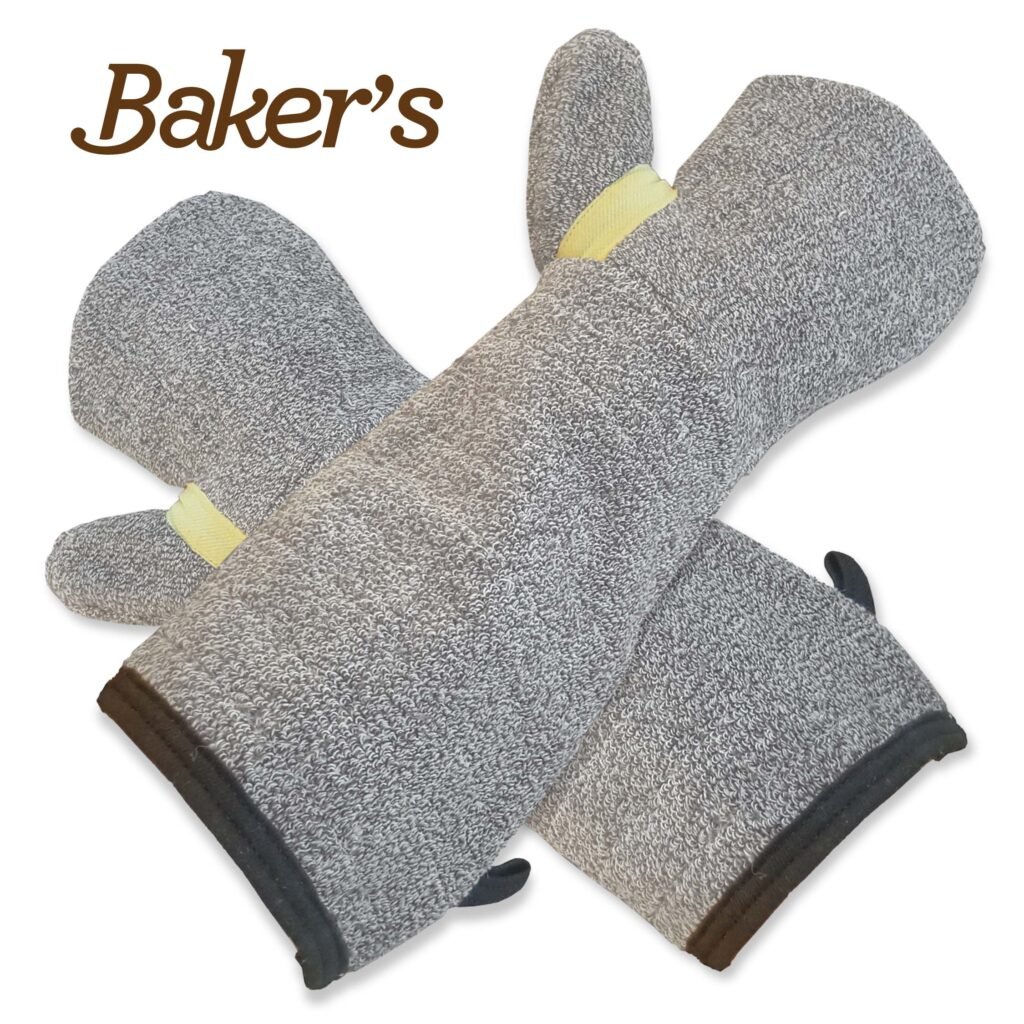
Burns from hot trays, oven racks and steam are among the most common injuries in bakeries and kitchens. The right heat-resistant gloves protect hands and forearms while still letting staff grip trays securely. This guide covers the main types, how long a cuff you need, and the habits that matter as much as the glove.
The main types
| Glove | Length | Best for |
|---|---|---|
| Baker's Heat Resistant Gloves | Wrist | Moving trays and pans with good finger movement |
| Terry Cloth Seamless Gloves w/ Knit Wrist | Wrist, knit cuff | Bench-height work: trays, pans and hot dish racks |
| Baker's Terry Cloth Oven Mitt Gloves Kevlar Patch | 17 inches | Reaching into deep, rack and pizza ovens |
| Biohazard Autoclave Gloves, 100% Cotton, 13″ | 13 inches | Tabletop autoclaves and sterilizers |
| Biohazard Autoclave Gloves, 100% Cotton, 18″ | 18 inches | Floor-standing and deep-chamber autoclaves |
How long should the cuff be?
Most oven burns happen on the forearm, not the hand, when it brushes a hot oven wall or rack. Match the cuff to how far you reach:
- Wrist length: lifting trays from a rack, moving pans on the counter, unloading the dish machine.
- 13 inches: tabletop units where you don’t reach far into the chamber.
- 17 to 18 inches: deck, rack and pizza ovens, and deep autoclave chambers.
Bakeries, pizza shops and kitchens
Terry cloth insulates well because its loops trap air. A glove shape gives far better grip and control than a traditional mitt, which matters when you’re pulling heavy sheet pans. The Kevlar patch on Baker's Terry Cloth Oven Mitt Gloves Kevlar Patch reinforces the areas that wear out first, so the gloves last longer in daily use. Seamless terry gloves like Terry Cloth Seamless Gloves w/ Knit Wrist have no seams to split or rub, and they come 12 pairs to a bag, so every station can have its own.
Clinics, studios and labs: autoclave gloves
Dental offices, medical and veterinary clinics, tattoo and piercing studios and labs all need gloves for loading and unloading sterilizers. Breathable 100% cotton autoclave gloves let you handle trays and instrument cassettes safely. Choose 13-inch gloves for tabletop units and 18-inch gloves for deep chambers. When you open an autoclave, let the chamber vent first, and stand to the side as you open the door.
Safety rules that prevent burns
- Never use a wet or damp glove. Water carries heat to your skin almost instantly, and steam goes straight through wet cloth. Keep a dry spare pair at every oven and sterilizer.
- Brief contact only. Heat-resistant gloves are made for moving hot items, not holding them. Move items quickly to a rack or counter. If you feel heat building, put the item down.
- Keep gloves clean. Grease soaked into cloth can scorch. Wash gloves regularly and let them dry fully.
- Replace worn gloves. Thin spots, holes and burned patches let heat through. Check them at the start of each shift.
- Don’t use them for cutting. Heat gloves don’t protect against blades. See cut-resistant gloves explained.
Heat gloves are not freezer gloves
Cloth heat gloves aren’t designed for frozen product or wet cold. For walk-in freezers and cold rooms, see our cold storage PPE guide.
Related checklists
Outfitting a kitchen or clinic? See the restaurant kitchen PPE checklist and the dental office and clinic PPE checklist.